
Editorial Board
Juan F. Cuyás

Juan F. Cuyás is a PhD candidate at the Universitat de Barcelona, working within the ERC research project Visual Trust: Reliability, Accountability, and Forgery in Religious, Scientific, and Social Images (2021–2026). As an anthropologist, his research focuses on visual and multimodal methodologies, the anthropology of religion, political ecology, and South Asia and its diaspora. He has conducted extensive audiovisual fieldwork in Spain, the Netherlands, and India, exploring these themes. His work as a filmmaker and photographer has been showcased in academic and artistic contexts, including ethnographic film festivals and photography exhibitions. His current research examines the role of visuality in shaping trust, legitimacy, and religious authority within contemporary religious movements in India.
Armina Dinescu

Educated in visual anthropology, Armina thrives at the junction between academic curiosity and pragmatic sensibility. In her undergrad and masters, most of her research has focused on digital anthropology and encounters with non-humans (huldufólk in Iceland, or therapy horses in the US). As a grown-up, by day, she works with user research in tech environments and organises the Copenhagen-based anthropological film festival Sjón. By night, she dreams of multispecies ethnography.
Mihai Andrei Leaha
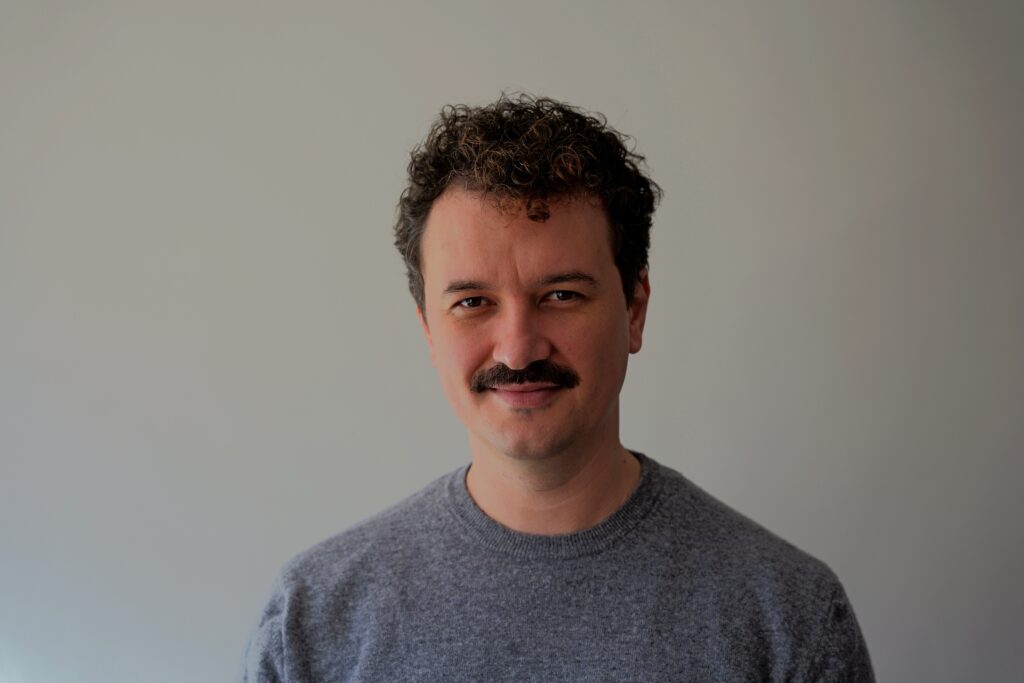
Mihai Andrei Leaha is an Associate Professor of Social Sciences at UiT, The Arctic University of Norway, and a multimodal anthropologist and award-winning ethnographic filmmaker. His research spans visual disinformation, generative AI, DIY music cultures, Roma studies, and decolonial methodologies — with long-term fieldwork across Europe and Latin America.
He holds a PhD in Visual Anthropology from Babeș-Bolyai University and has held postdoctoral positions at the University of Barcelona (ERC-funded Visual Trust project) and the University of São Paulo (FAPESP-funded). His work has been published in Cultural Anthropology, Visual Studies, and Multimodality & Society, and supported by the ERC, FAPESP, EEA Grants, and SCOPES.
He teaches visual anthropology, multimodal ethnographic practices, and ethnographic filmmaking at UiT. As a filmmaker, his films have received international recognition including the Pierre Verger Prize (2022) and screenings at GIEFF and Astra Film Festival. He chairs the IUAES Commission on Visual Anthropology (2023–present).
Carolina Némethy
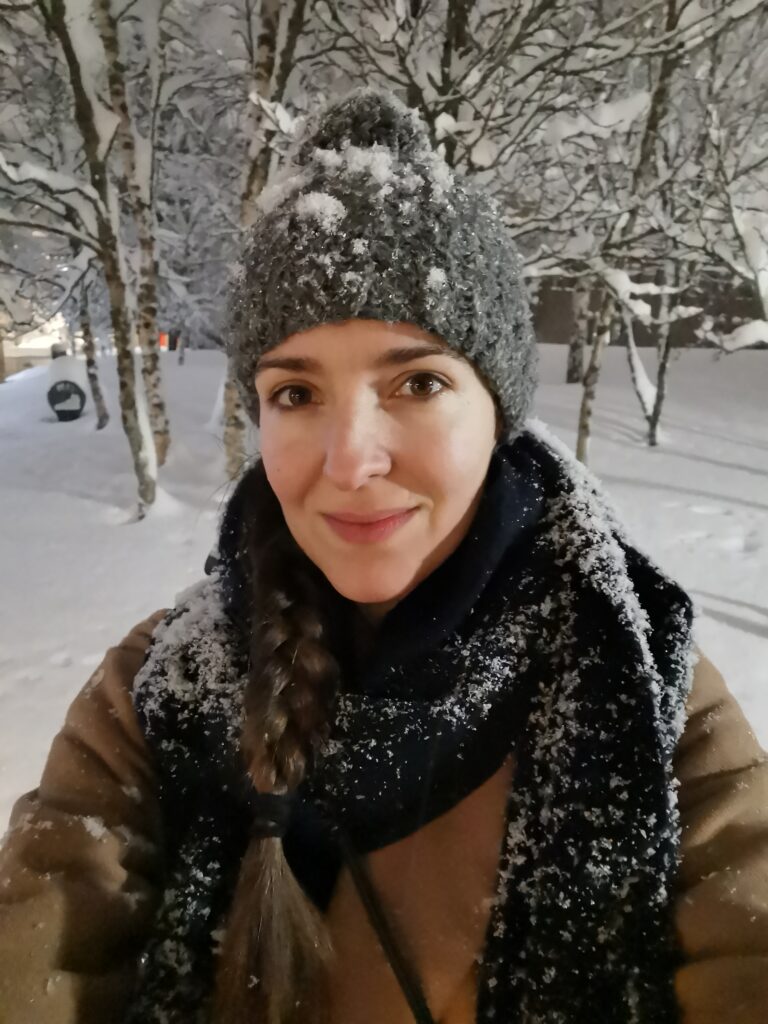
Carolina Némethy is a PhD fellow at the UiT, the Arctic University of Norway, as part of the EA:RTH project (Ethnographic Action: Researching Transformations of Humans and Environment on a Disrupted Planet). She is a visual anthropologist with an interest in documentary filmmaking, multispecies ethnography, medical and environmental anthropology, and sensorial place-making practices. Her current research bridges existential and multispecies anthropology in the context of crisis in the Anthropocene. She holds a Bachelor of Science in social anthropology from the University of Gothenburg, Sweden, and a Master of Science in anthropology from the University of Copenhagen, Denmark.
Ilakkiya Mariya Simon
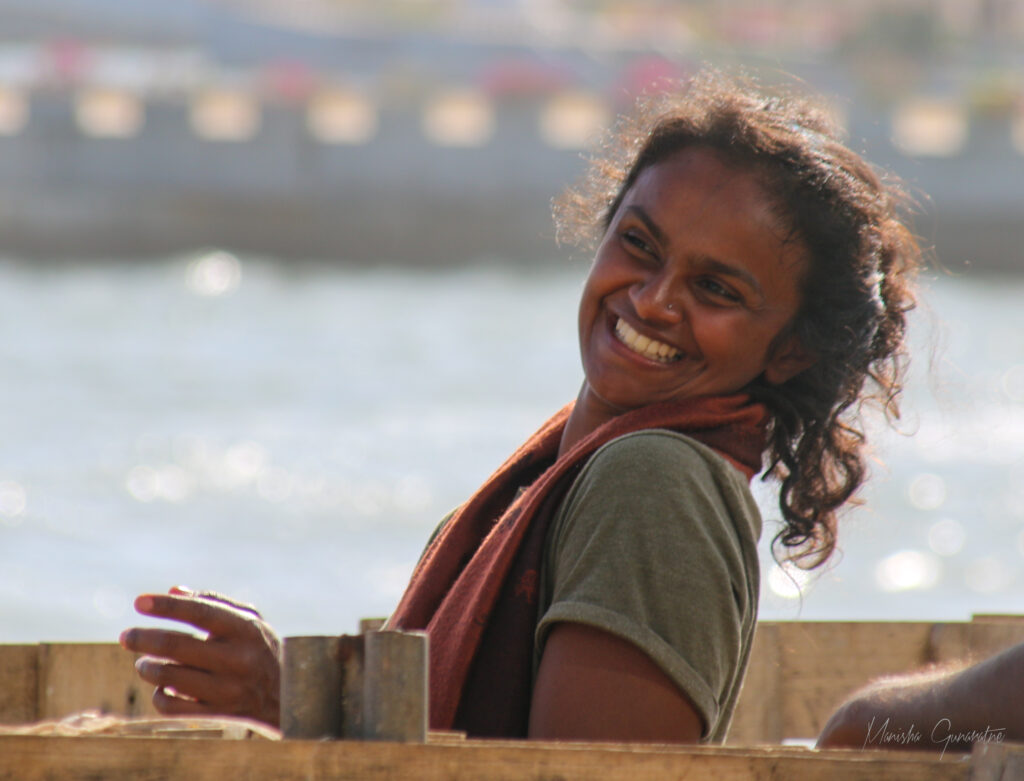
Ilakkiya Mariya Simon is an anthropologist and filmmaker based in Norway. Her Sri Lankan Tamil ancestry is what underpins her anthropological interests exploring existential themes of home, belonging, identity, and the environment. “A Letter To Lanka” (2023) is her first ethnographic film. She serves on the film selection committee for this year’s NAFA film festival.
Andrew Simon Tucker

Andrew Simon Tucker is an Associate Professor of documentary filmmaking and visual anthropology at the University of Magdalena, Colombia. Andrew holds an MA in Visual Anthropology from GCVA (University of Manchester, U.K.) and a PhD in Arts, Culture and Media from the University of Groningen, The Netherlands. His research focuses on hybrid modes of documentary film, expanded reality nonfiction, community co-creation, Indigenous filmmaking, and the spiritual agency of digital artifacts. Andrew has produced and directed over 20 documentary films and XR works some of which have been screened at film festivals around the world, cinemas, and international streaming services.
Anne Chahine

Anne Chahine is a PhD candidate in the Anthropology department at Aarhus University in Denmark with an interest in visual and multimodal anthropology. She is a research fellow at POEM (Participatory Memory Practices), a project funded by the European Union’s Horizon 2020 research and innovation program. Her work focuses on memory, future anthropology, historicity, sensorial methods, and collaborative approaches to knowledge production. As part of her PhD project, she developed the virtual exhibition space The Future Memory Collection, exploring future-oriented narratives together with young people from Kalaallit Nunaat (Greenland).
Anne Sofie Møller Askholm

Anne Sofie M. Askholm is a visual anthropologist and PhD fellow at Aalborg University Copenhagen. Her project concerns the relation between ethics, everyday practices of energy consumption, and ways of practicing sustainability. She has a BA in religion and anthropology, and a MA in visual anthropology from Aarhus University, Denmark, and she has studied photography and film at Fatamorgana, The Danish School of Art Photography. Her research interests cover human-environment-climate relations, the Anthropocene, and politics, power and (in)equality related to environment and consumption as well as visual ethnographic methods and documentary filmmaking.
Christian Suhr

Christian Suhr is a filmmaker, associate professor, and coordinator of the Eye & Mind MSc-Track of Visual Anthropology at Aarhus University. His research has focused on invisible spirits, psychiatric illnesses, demonic and divine forces, and how film can be used to approach unseen dimensions of human life. He has explored these topics during fieldwork projects in Egypt, Papua New Guinea, and Denmark. In the coming five years he will as PI dedicate his time to the ERC-project: “Heart Openings: The Experience and Cultivation of Love in Buddhism, Christianity, and Islam”.
History of NAFA
NAFA, the Nordic Anthropological Film Association, is an organization focused on anthropological documentary film that promotes the use and usability of anthropological films/documentaries.
NAFA is an organization for cooperation within the field of visual anthropology and has been active since the mid-1970s. The institutional membership is primarily made up of social anthropological institutions and ethnographic museums in the Nordic countries, plus several regional colleges and media schools. NAFA also has a growing number of individual members in the northern countries and around the world.
One of NAFA’s most important tasks has been to build up an anthropological film collection; for use in teaching and research; a unique collection of classic and more recent ethnographic films, which is matched only by a few of the world’s most important and largest ethnographic film collections.
NAFA also arranges an annual International Film Festival and Conference where ethnographic films are shown and discussed with a large audience.
In 2017, NAFA has launched the Journal of Anthropological Film (JAF), a peer-reviewed journal that publishes films that stand alone as original, empirical contributions based on social anthropological research.
You can read more about NAFA’s history from founding member Peter Crawford: Crawford, P. I. (2017), ‘The Nordic Eye Revisited. NAFA, 1975 to 2015’, In: Vallejo, A. and M. P. Peirano (eds.), Film Festivals and Anthropology, Newcastle upon Tyne: Cambridge Scholars Publishing, pp. 179-191. (Access to Russian translation here)


How to become a member of NAFA
The NAFA Film Collection consists of films about how people in all corners of the world live their everyday lives. The films are specially selected for you who teach or study anthropology, cultural studies, cross-cultural communications and so on or who just are interested in the worldwide variation on how people make their living and express their culture and identity. The films are selected from those films in the NAFA archive that have the permission to be shared by NAFA members for non-commercial and educational screenings only. NAFA Members can log in and watch the films in full length.
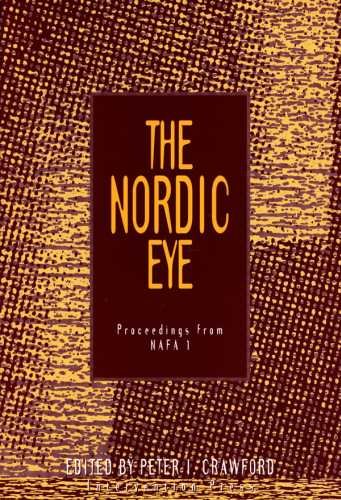
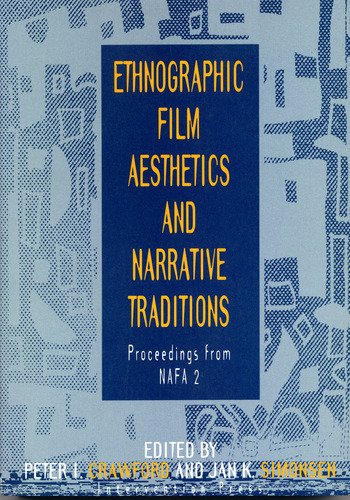
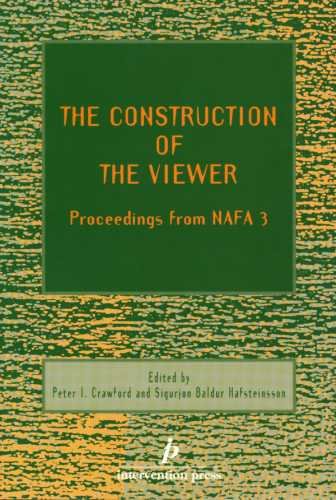
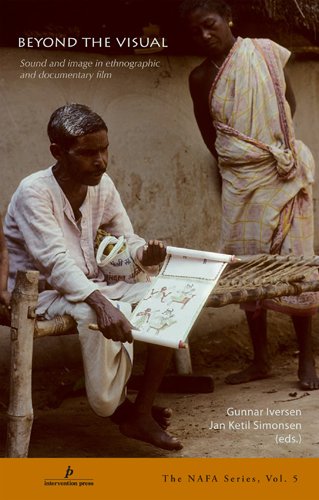
NAFA Book Series
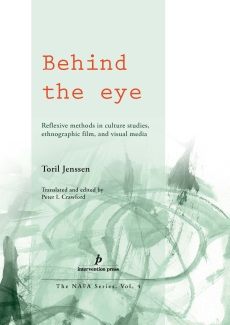
NAFA publishes the NAFA Book Series in cooperation with Intervention Press. Often, the books are based on proceedings from thematic conferences forming part of the annual ethnographic film festivals. The books are available here: www.intervention.dk.
NAFA members are eligible for a 20% discount.
Contact us
For any corrections or inquiries that are not contributions to NAFA Newsletter, please reach out to us on our editorial email. This inbox is not checked weekly.